Printed lunch menus at diners are the skeleton. The specials board is the living part: the plate the kitchen chose for today, based on what looked good at the market, what the season is offering, what the regulars expect on a given weekday, and what the pots from the morning's prep have become. At Victoria's Diner in Clover, the daily lunch special is posted on Facebook for people who plan ahead, a modern layer on a very old system.
Understanding how a special gets chosen tells you how to use it: when to trust the board over the menu, why certain dishes own certain weekdays, and how regulars quietly organize their lunch week around a kitchen's habits.
Where specials come from
Three forces write the board. The first is the market: what proteins and produce came in good and fairly priced this week. The second is the season: tomatoes and squash in summer, cabbage and root vegetables in winter, because a diner cooking fresh vegetables follows the same calendar as the gardens around Clover. The third is the kitchen's own rhythm, dishes that take all morning get scheduled on days when the hands and the stove space exist to make them.
Underneath all three sits the regulars' expectation, which is its own force. Diners learn that a certain dish on a certain day draws its crowd, and the crowd's arrival confirms the schedule. Many Southern diners run an unofficial weekly liturgy, specific plates on specific days, that locals can recite. The board rarely announces anything the room did not already suspect.
Special versus menu: which to order
The special is the kitchen's recommendation in the most literal sense: it is the dish with the freshest ingredients, the most attention that morning, and usually the best value on the menu, because it is priced to move in volume. When a newcomer asks a server what is good today, the honest answer is almost always the special, and it is not a sales line. It is how the kitchen would feed its own family from what is on hand.
The printed menu is the right choice when your appetite is set on something specific the board is not offering, or when the special is a dish you simply do not eat. Nobody at a diner is offended by a menu order. But ordering a menu item that mimics the special while ignoring the special itself is the one reliably wrong move: same neighborhood of food, worse version, slower plate.
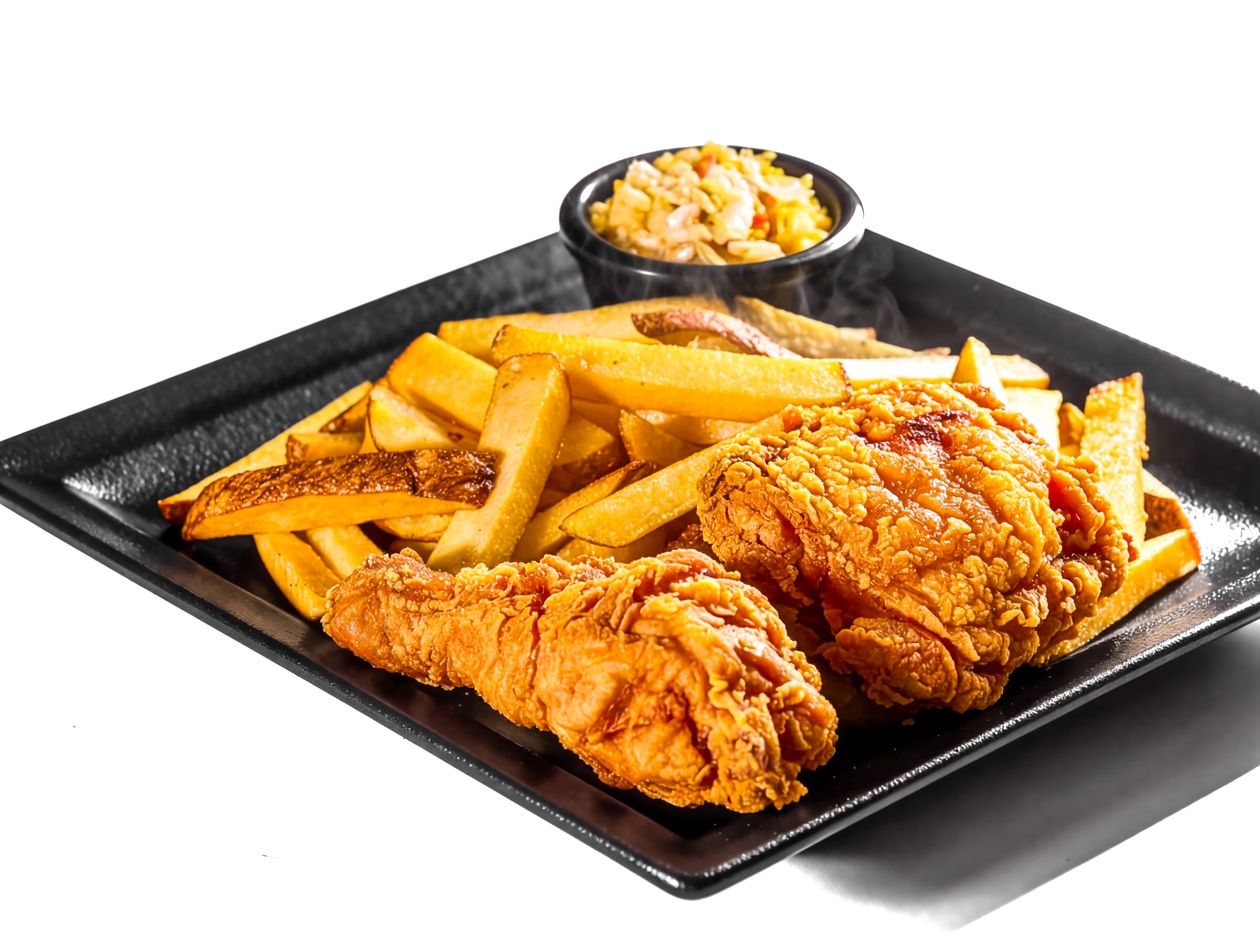
The weekday pattern
Regulars plan around the board more than visitors realize. A worker who loves the fried chicken day organizes errands to land in Clover that day. Retirees with standing lunch groups anchor them to favorite plates. This is why a diner's dining room fills unevenly, packed on the days its famous dishes run and merely busy on others, and why a first visit on the wrong day can undersell a kitchen that the town swears by.
The modern habit is to check before you go. Diners that post the day's lunch special on Facebook in the morning, as Victoria's does, have simply moved the specials board to where the regulars now look first. A ten-second check in the morning is the contemporary version of driving past the diner to read the sign, and it is worth building into a lunch routine.
What the special teaches about the kitchen
Read over a month, the specials tell you a kitchen's true range and values faster than any review. A board that rotates proteins, follows the vegetable season visibly, and repeats its hits on a rhythm is a kitchen cooking with attention. A board that never changes is a sign the specials have become a second printed menu, which is not a failure, but it tells you the kitchen's energy lives elsewhere.
Portions and pace are part of the signal too. A lunch special at a working diner is engineered for the lunch hour: generous, fast, and priced so a person can eat it several times a week without arithmetic. That everyday affordability is a deliberate value of the form, stretching back to the meat-and-three restaurants that invented the format for working people a century ago.
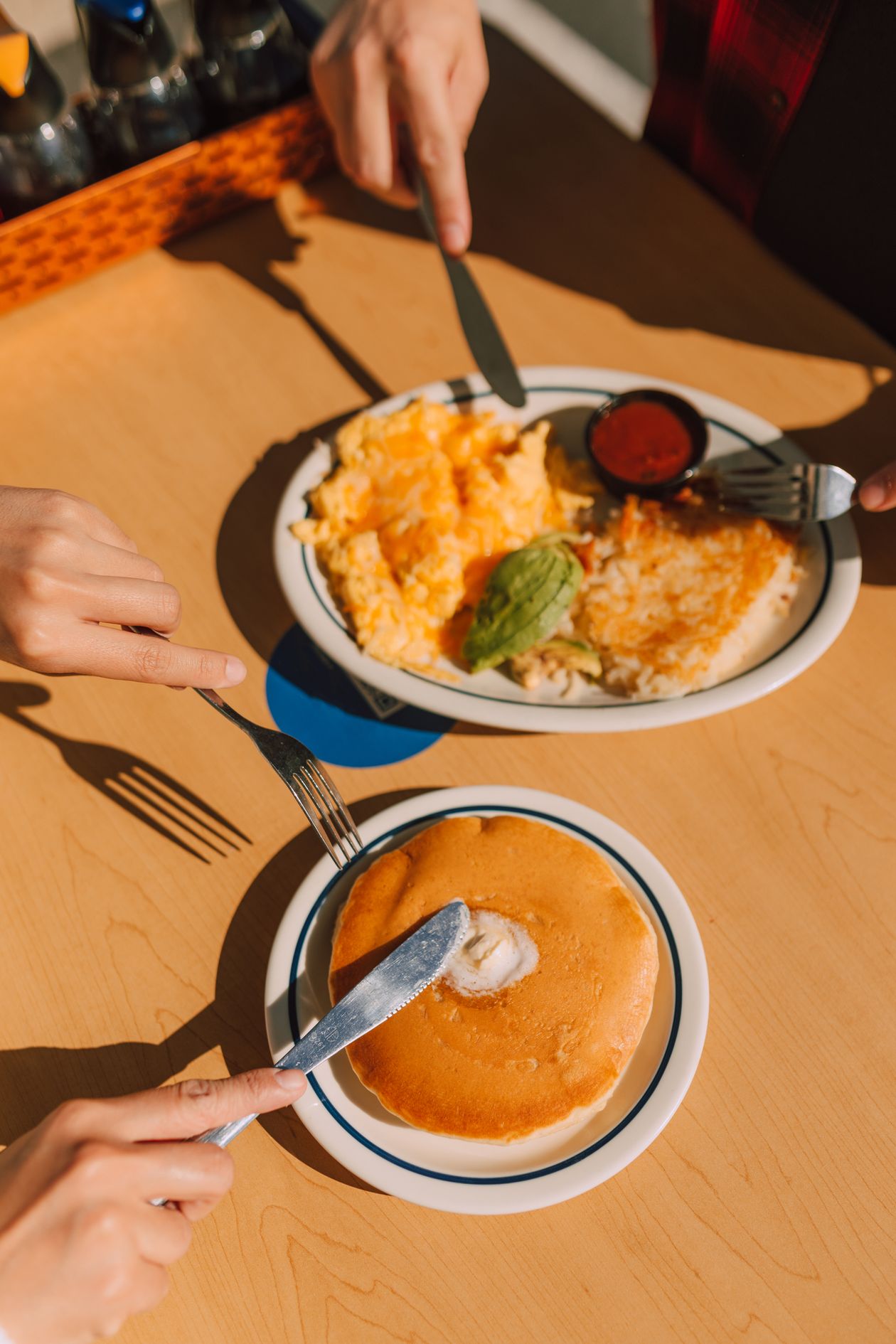
Using the board like a regular
Arrive knowing the day's special if you can, decide within a minute of sitting down, and trust it the first time you visit a diner rather than auditing the whole menu. If the special is not for you, ask what the kitchen is proudest of among the day's vegetables and build a plate around the answer. Servers in these rooms answer that question straight, because they eat the same food on their breaks.
Then notice what your own weekday pattern becomes. Everyone who eats at a diner regularly develops one: a favorite day, a default order, a seat. That quiet personal system is the real product a neighborhood diner sells, underneath the plates. The board is just how it renews itself every morning.
Common questions
Where do I find today's lunch special?
At the diner, on the specials board or from the server. Victoria's Diner also posts its daily lunch special on its Facebook page each day.
Is the special always the best thing to order?
Usually it is the freshest and best value, since it is built on what came in well that week. If it is a dish you do not eat, order from the menu without hesitation.
Do diners run the same specials on the same weekdays?
Many do, by habit and customer expectation. Regulars learn the pattern within a few weeks and plan their lunch days around favorite plates.
Photos in this guide are representative stock images.
← All guides from Victoria's Diner← Back to Victoria's Diner