Somebody gets volunteered to feed the crew, the office, or the family visiting for the weekend, and breakfast for ten becomes a negotiation conducted over a cooling grill. Group orders at a diner are not hard. They are just unforgiving of vagueness: eight variations of eggs times five side choices, relayed from memory, in a noisy truck, produces errors that nobody discovers until the bags are open twenty minutes away.
This checklist approach works at any Clover diner with online or phone ordering, and it respects how these kitchens actually run in the morning. The goal is simple: one order, one pickup, every person eating what they asked for while it is still hot.
Collect orders like a short-order cook
Get each person's order in the diner's own format: the item, the egg style if any, the side choice, the bread choice, and the drink. Diner menus are built from combinations, so an order recorded as omelet, grits, biscuit is complete, while bacon and eggs leaves three questions unanswered that someone will have to guess about later. Write them down in a list with names. Names on orders are what separate heroes from suspects when the bags open.
Set a cutoff and mean it. A group order that keeps accepting additions for forty minutes arrives at the kitchen as three separate orders and gets cooked like it. Give everyone a deadline, place one call, and let latecomers fend for themselves with your blessing. This is not cruelty. It is how hot food for ten people exists at all.
Choose items that travel
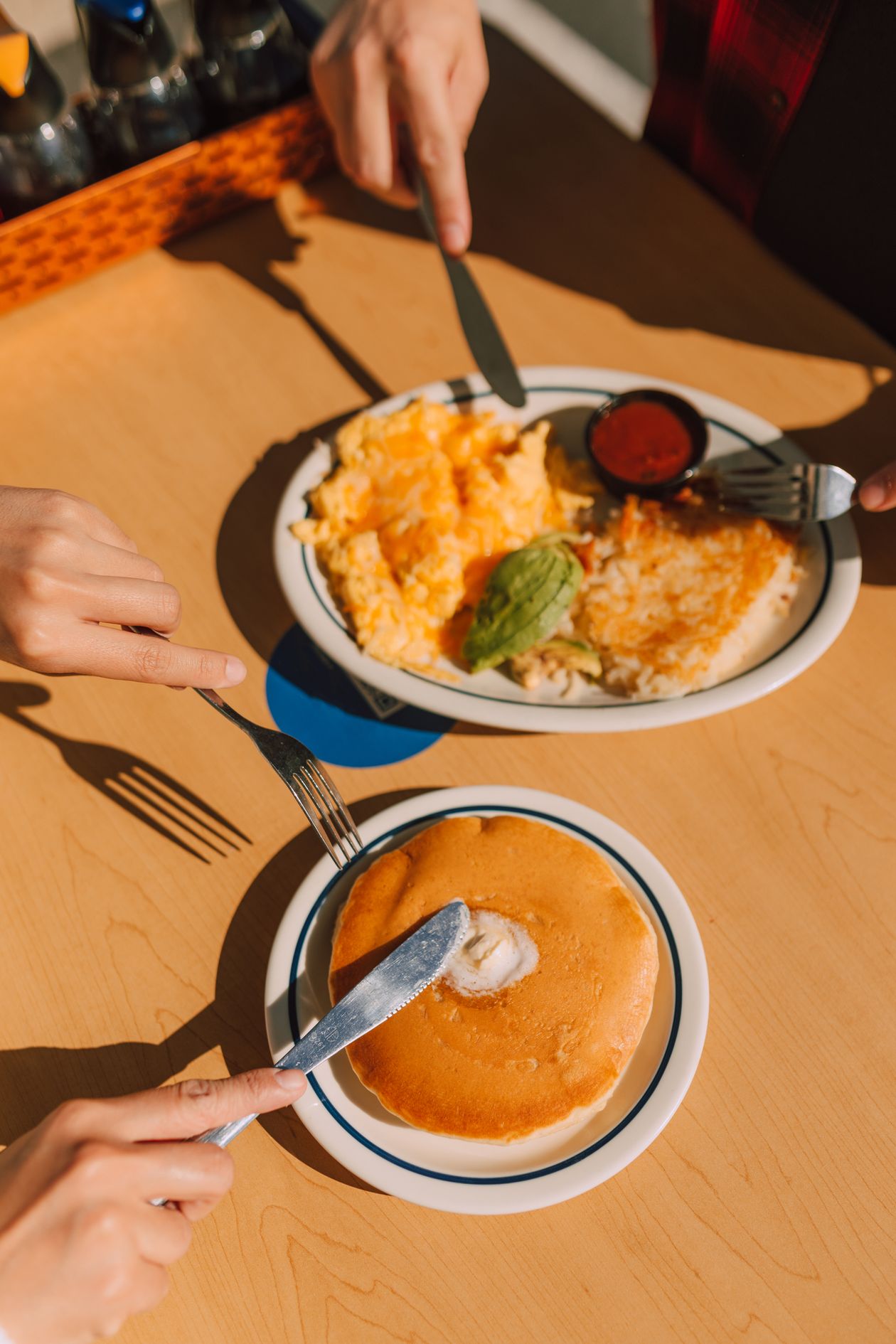
Some diner breakfasts travel beautifully and some do not survive a car ride. Breakfast sandwiches, biscuits, and plates with hash browns eaten within fifteen minutes travel well. Pancakes and French toast hold up if syrup rides separately. Anything built on crispness and steam, eggs over easy, gravy over biscuits, loses the most per minute, so those orders belong to people who will eat the moment the bags land, or to the pickup driver building in zero detours.
Drinks are the classic failure point. Coffees for a group need a carrier, names on cups, and a count confirmed before leaving the counter. Sweet tea by the gallon is the Carolina solution for lunch groups and travels better than any collection of individual cups. Whatever the drink plan is, decide it during the order, not in the parking lot.
Time the pickup to the kitchen, not the crew
Ask the kitchen when the order will be ready and build the pickup around that answer. Diner grills run hot and fast during the morning rush, and a group ticket placed ahead of the rush cooks in an entirely different kitchen rhythm than one placed in the middle of it. For a big order, calling as early as the kitchen allows, or ordering online ahead, is the single biggest quality decision you control.
Arrive on time rather than early. Food held waiting loses heat and crispness by the minute, and the person standing at the counter does not speed anything up. Send one driver with the list, have them check the count of boxes and drinks against it before leaving, and drive it straight to the crew. The last mile is where group breakfasts are won.
- Collect every order in menu format, with names
- Set a cutoff time and place one single order
- Pick items that travel: sandwiches, biscuits, plates
- Syrup, gravy, and drinks planned, not improvised
- Confirm the drink count and carrier before leaving
- Time pickup to the kitchen's ready time
- One driver, straight to the crew, no detours
- Sort by name from the written list
Sort and settle without a ceremony
Set the bags down, call names, and distribute before anyone starts customizing. The list you wrote is the sorting system, which is why it has names on it. Keep the settlement simple: one person pays and collects, or the total gets split evenly, decided before the food arrives and not debated over cooling plates. Group breakfast customs vary, but the argument should never be the warm-up act for the meal.
If the group eats together regularly, save the winning order. Work crews and offices mostly reorder the same plates, and a standing list turns next week's group breakfast into a five-minute phone call. Diners remember these orders too. The second time you call in the big list, the kitchen already knows how your crew takes its eggs.
When to let the diner feed you there instead
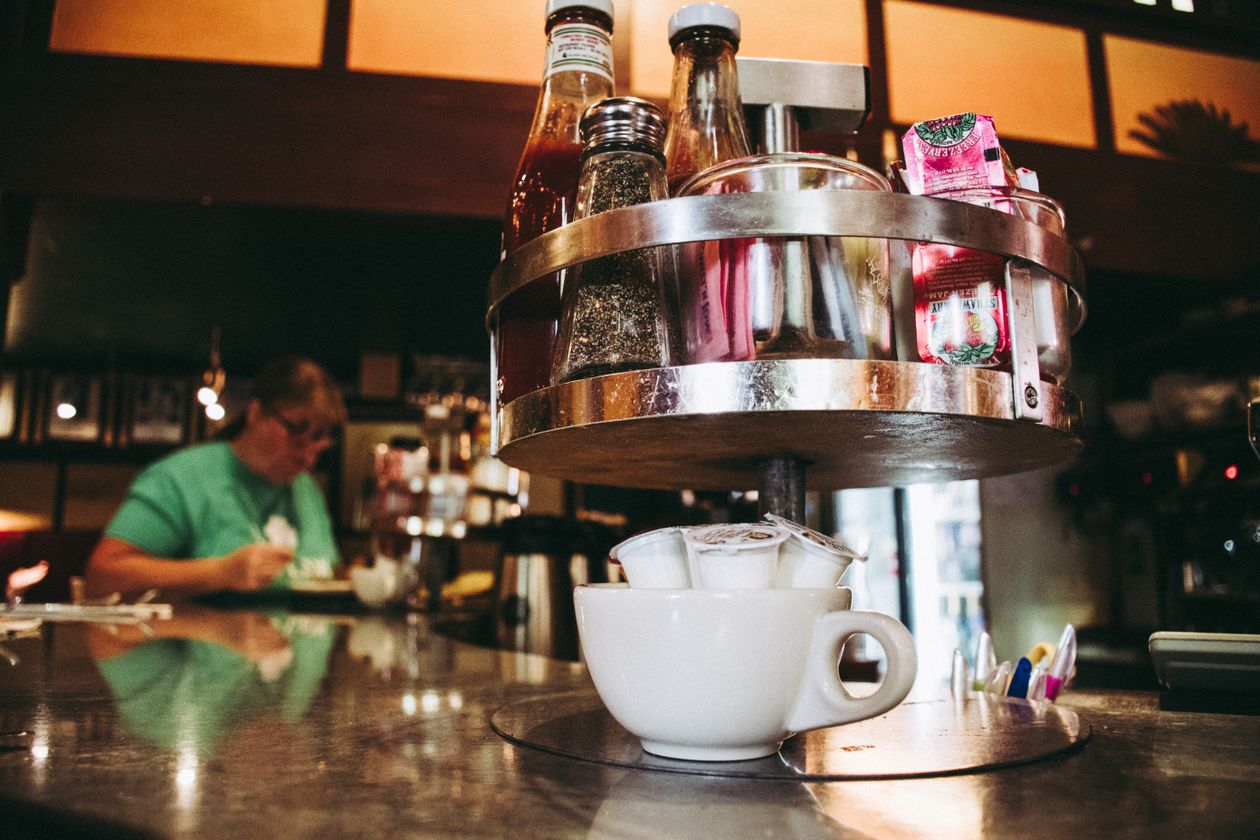
Sometimes the right answer to feeding eight people is a table, not a takeout order. A group that can sit down gets hotter food, refills on coffee, and none of the packaging logistics, and a diner that opens early can seat a crew before the workday starts. Groups visiting Clover for a weekend often find the sit-down version is the event itself, the slow morning the trip was actually for.
Either way, the diner format is built for groups: a menu of combinations everyone can find something in, prices that do not punish the organizer, and a kitchen that has fed crews on deadlines for decades. Organize the order, respect the grill's rhythm, and the system works.
Common questions
What diner breakfast items travel best?
Breakfast sandwiches and biscuits travel best, and pancakes hold up if the syrup rides separately. Crisp items and eggs over easy lose the most on a long ride.
How early should I place a big group order?
As early as the kitchen allows, ideally ahead of the morning rush. Ask for the ready time and time your pickup to it, rather than arriving early and letting food sit.
How do I keep everyone's order straight?
Write each order in menu format with the person's name: item, egg style, side, bread, drink. Distribute by name when the bags land.
Photos in this guide are representative stock images.
← All guides from Victoria's Diner← Back to Victoria's Diner