Newcomers to the western Carolinas meet livermush the same way: on a diner breakfast menu, listed without comment between bacon and sausage, as if everyone already knows. Nobody explains it because, locally, everybody does. Livermush is a loaf made from pork, including liver and other parts, bound with cornmeal and seasoned, then sliced and fried. It has been a working breakfast food in this region for generations, rooted in the German and Scotch-Irish food traditions that settled the Carolina foothills.
It deserves a proper introduction, because it is one of the few truly regional foods left in the Carolinas, protected by geography the way other specialties are protected by law elsewhere. This guide explains what it is, how it differs from its cousins scrapple and liver pudding, and how a first-timer in Clover should order it.
What is actually in the loaf
Livermush starts with pork cooked down until tender, traditionally including the head and liver, ground and mixed back with its own broth, cornmeal as the binder, and seasonings that typically include sage and black pepper. The mixture is poured into loaf pans and chilled until it sets firm. That is the whole technology: a way to turn every usable part of a hog and a sack of cornmeal into a sliceable, keepable breakfast food that fries up on a grill.
The liver content is what gives livermush its name, its deep savory flavor, and its reputation problem with the uninitiated. In the finished slice, the flavor reads as seasoned pork first and liver second, closer to a country sausage than to a plate of fried liver. Commercial makers around the Carolinas produce most of what diners serve now, to consistent recipes that generations of local families have strong opinions about.
Livermush, scrapple, and liver pudding
The three get confused because they are cousins built on the same idea. Scrapple, from Pennsylvania Dutch country, uses cornmeal and buckwheat flour and a broader mix of pork, and tends to be more heavily seasoned. Liver pudding, found further east and south in the Carolinas, is softer, often without the cornmeal structure, and is eaten as a spread or in sandwiches as often as it is fried.
Livermush is the firm, cornmeal-set loaf of the western North Carolina foothills and the South Carolina upstate around Clover, and it is almost always sliced and fried. The geography is real: drive a couple of hours east and menus switch allegiance. Locals can map their childhoods by which loaf was in the refrigerator, and they will correct your terminology with complete confidence.
How a diner cooks it
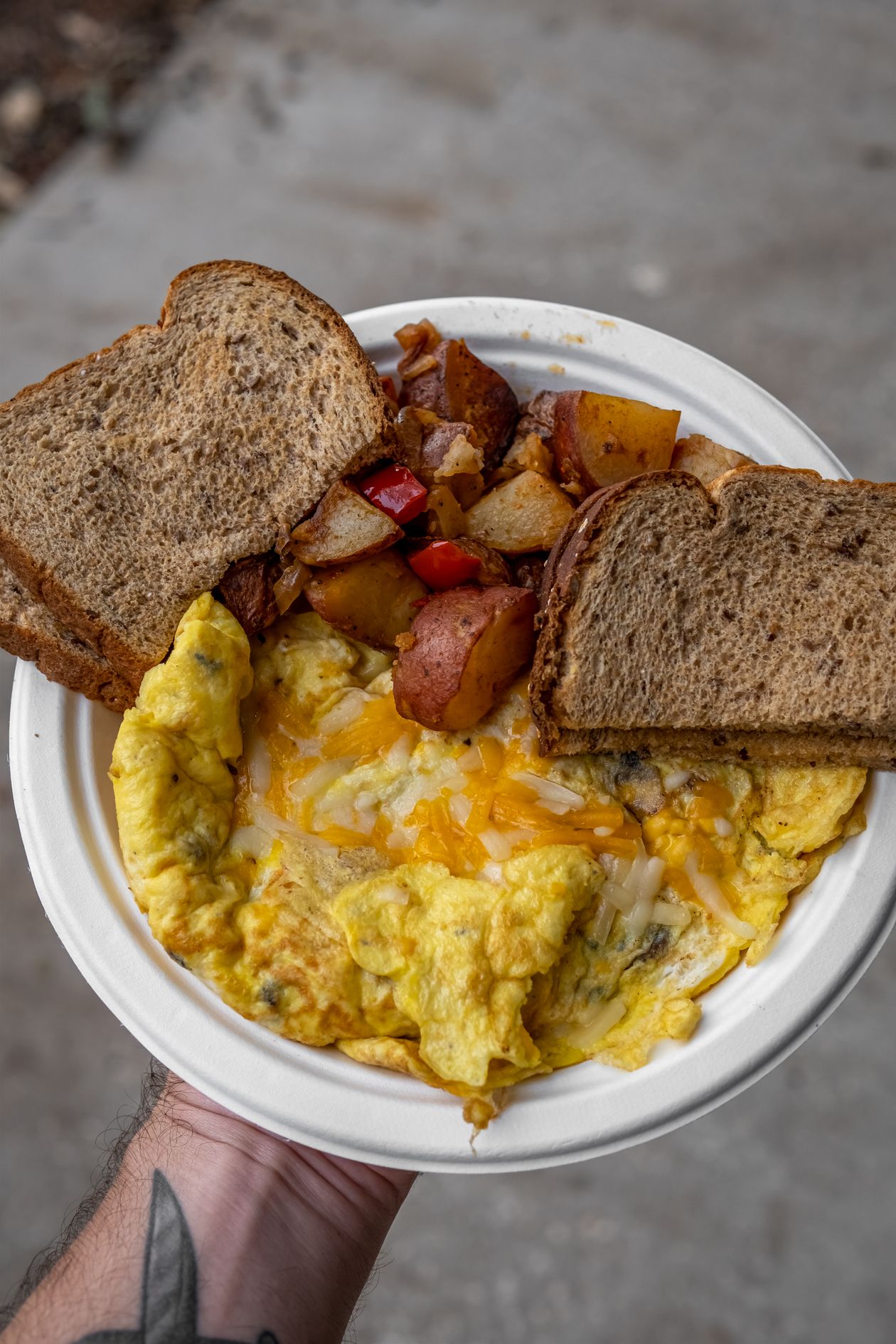
The standard diner preparation is a slice, roughly a quarter to a half inch thick, fried on the grill until both sides crisp. The crisp exterior and soft interior is the whole textural point, and a well-cooked slice holds its shape, browns deeply, and yields in the middle. Thin slices go fully crisp. Thick slices stay creamy inside. Regulars have a thickness opinion the way coffee drinkers have a strength opinion, and a good grill cook will ask a newcomer once and remember the answer.
It is served wherever bacon and sausage are served: alongside eggs and grits, on a biscuit as a breakfast sandwich, or as a standalone side for people who want it with everything. Mustard is the traditional condiment on a livermush sandwich in these parts, a fact that surprises outsiders and is not negotiable among the converted.
| Food | Home region | Binder | Usually served |
|---|---|---|---|
| Livermush | Western Carolinas | Cornmeal | Sliced and fried crisp |
| Scrapple | Pennsylvania Dutch country | Cornmeal and buckwheat | Sliced and fried |
| Liver pudding | Eastern Carolinas | Little or none | Soft, spread or sandwich |
How to order it the first time
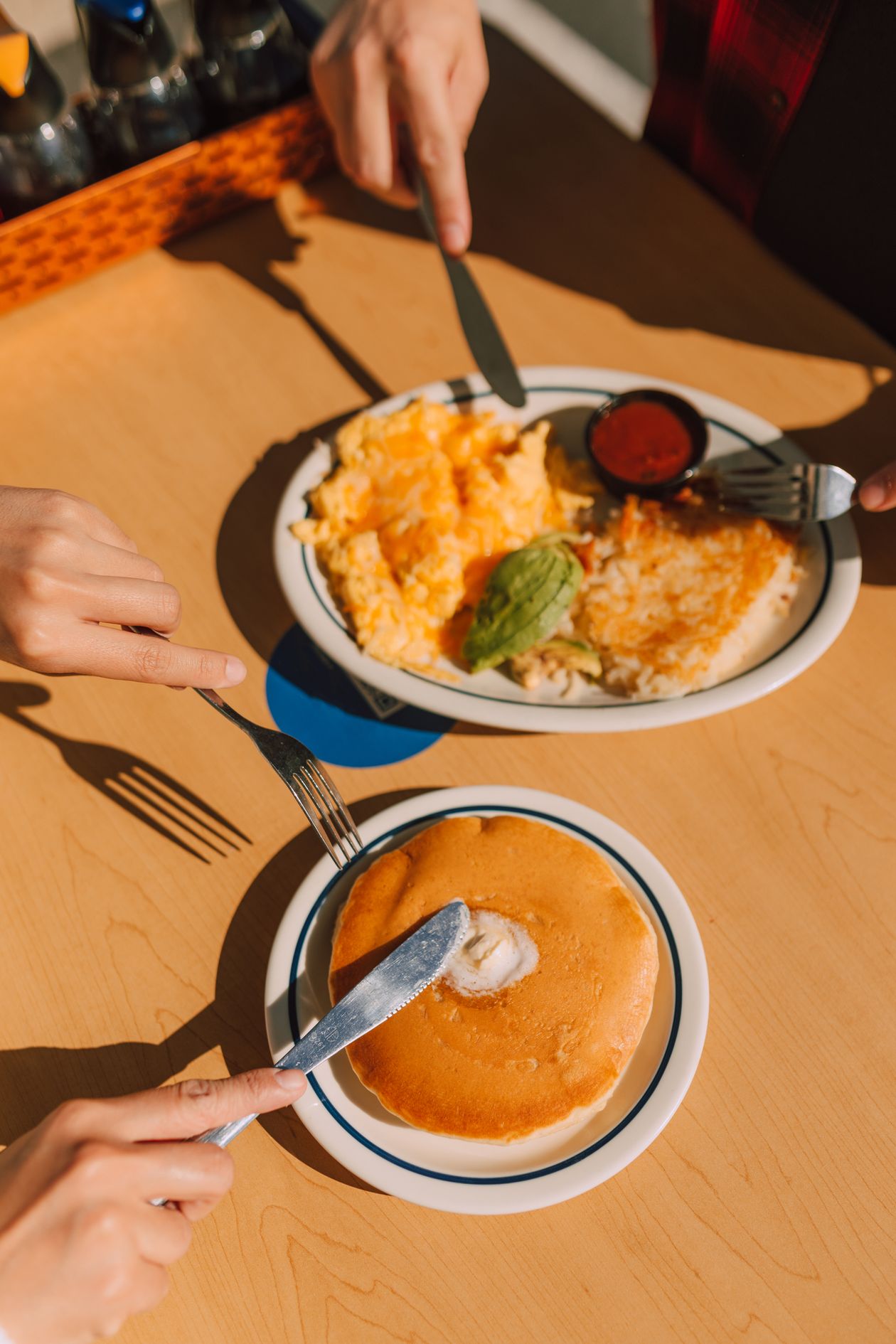
Order it as a side first, alongside a breakfast you already know you like. That way the eggs and grits carry the meal and the livermush is a low-stakes audition. Ask for it fried crisp if you are nervous: maximum crunch, minimum softness, and the mildest introduction to the flavor. Most skeptics who try it crisp, with a bite of egg and grits on the same fork, come away converted or at least respectful.
Skip it only if you genuinely dislike liver in all forms, and even then, know that the cornmeal-and-sage profile is not a liver dish in disguise. Children raised here eat it without knowing or caring what the name means, which tells you most of what you need to know about how it actually tastes at the table.
Why it still matters here
Livermush is on those menus for the same reason the diners themselves survive: it is the taste of a specific place, made from what that place had. The western Carolinas made cornmeal and hogs into a breakfast that kept, traveled, and fed people doing physical work. Festivals in the region still celebrate it, and local makers still sell out of it, in an era when most regional foods have been smoothed into national sameness.
Trying it at a Clover diner is not a dare. It is a small, inexpensive act of literacy in the food culture you are sitting in. The server will not blink. Half the room is eating it. Order the slice, ask for it crisp, and join the long local argument about which brand and which thickness is correct, an argument that has no end and no casualties.
Common questions
Does livermush taste strongly of liver?
Less than the name suggests. The finished slice tastes mainly of seasoned pork, sage, and cornmeal, with the liver in the background. Fried crisp, it is the mildest introduction.
What is the difference between livermush and scrapple?
Geography and build. Scrapple is the Pennsylvania Dutch version, often with buckwheat flour. Livermush is the firmer cornmeal loaf of the western Carolinas, almost always sliced and fried.
How should a first-timer order it?
As a side with a breakfast you already like, sliced and fried crisp. A bite with egg and grits on the same fork is how most skeptics become regulars.
Photos in this guide are representative stock images.
← All guides from Victoria's Diner← Back to Victoria's Diner