A diner that opens at 6:30 in the morning, or 5:45 on a Friday in Clover's case, does not start its day at opening. The first customers walk into a room where coffee is already brewed, the grill is already hot, and the first pots have been on for a while. That readiness is manufactured in the dark hours by a sequence as fixed as any factory shift, and understanding it explains almost everything about how diners work: the speed, the prices, and the hard boundary between breakfast and lunch.
This is the morning as the staff of an early diner live it, from the first key in the lock to the moment the lunch pots take over the stove.
Hours before opening: the quiet work
The first person in starts the equipment and the long-lead food. Grills and ovens take time to reach working temperature, coffee takes time to brew, and grits, real ones, take time to cook into creaminess rather than being rushed at the moment of ordering. Biscuits are mixed and baked in batches timed so the first tray is warm when the doors open and later trays follow through the morning.
Vegetables for lunch begin in this window too, at a meat-and-three kitchen. Green beans, cabbage, and peas that will anchor the noon plates go on early, because their whole nature is slow cooking. This overlap is the diner's central trick: breakfast service in the front, lunch quietly building in the back, one small kitchen running two meals at once on a staggered clock.
The first hour: regulars and rhythm
The first customers of the day are overwhelmingly regulars, and many diners run on a near-script with them: the usual order, the usual seat, the news of the town exchanged at the speed of a coffee refill. This hour is calm but not slow. It is when the kitchen finds its rhythm, the grill cook settles the temperatures by feel, and the staff learn anything about the day, a school delay, a funeral lunch, a crew working nearby, that will shape the hours ahead.
For a customer, the first hour is also the connoisseur's slot. Everything is at its freshest and least rushed, the biscuits are on their first or second tray, and the room has the particular quiet of people starting a day together on purpose. If you have never eaten at a diner before the workday begins, it is a different and better room than the same diner at noon.
The rush: a grill run as a system
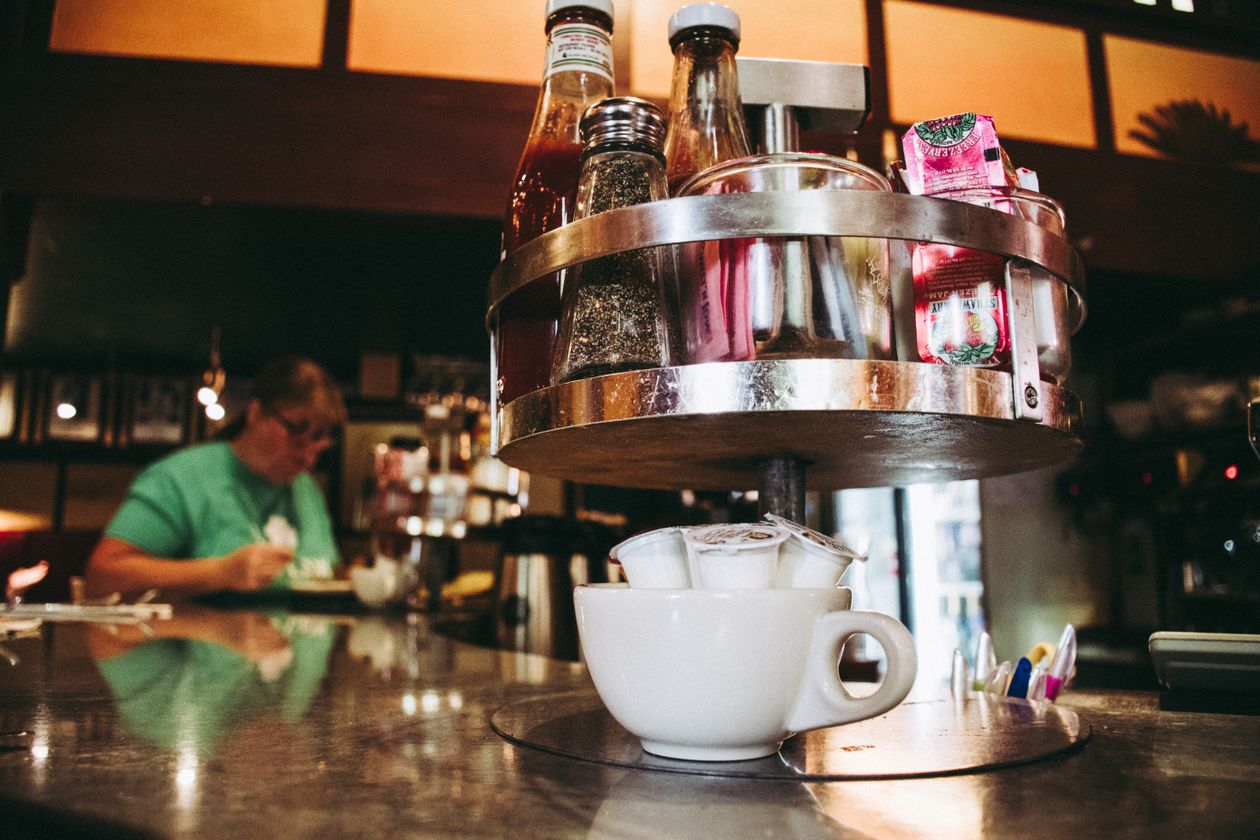
Mid-morning brings the rush, and the rush is where diner craft lives. A good grill cook runs a surface like a map: eggs in one zone at one temperature, meats in another, hash browns crisping in a third, each item's time known by sight and touch rather than timers. Orders arrive in a shorthand of eggs and sides that the whole kitchen speaks, and plates are assembled at the pass in the order the components finish.
The speed that results, a full breakfast landing minutes after ordering, is not haste. It is preparation meeting a short menu cooked continuously. The components of a diner breakfast are few and the kitchen has cooked them ten thousand times. What looks effortless at 8 in the morning was earned in the dark hours and across years of identical mornings.
- Pre-dawn prep. Grill and ovens on, coffee brewed, grits cooking, first biscuits baked.
- Doors open. Regulars first, usual orders, the kitchen finds its rhythm.
- Morning rush. The grill runs as zones: eggs, meats, potatoes, all timed by feel.
- Changeover. Breakfast ends as lunch vegetables finish and the noon service takes the stove.
- Afternoon close. Cleaning, prep for tomorrow, and the building rests until the next dark start.
The changeover: why breakfast ends
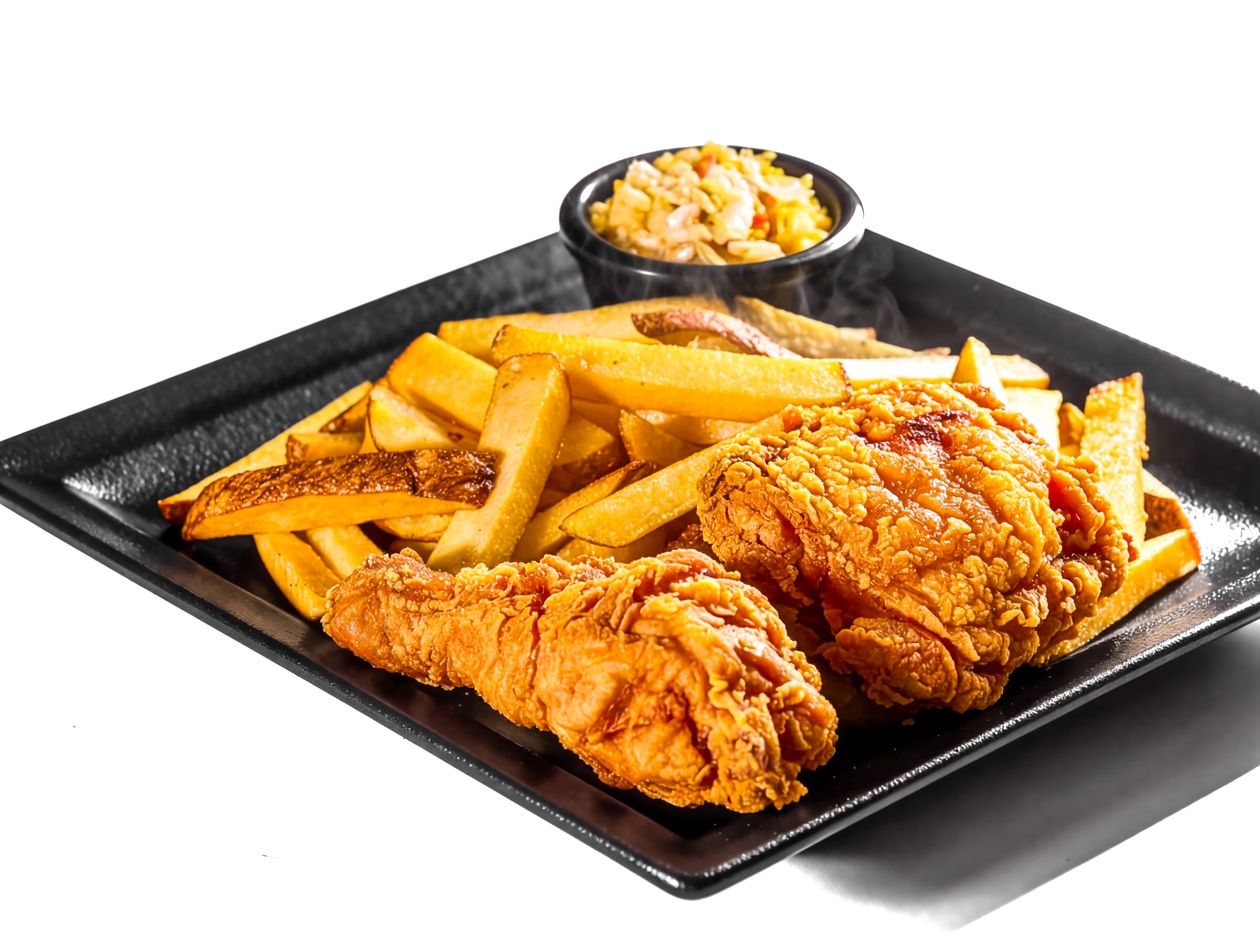
Breakfast at a diner ends at a real boundary, not a whim. The grill space, the staff, and the pots are needed for lunch, the vegetables have finished their long cook, and the noon crowd expects the meat-and-three plates to move as fast as breakfast did. Kitchens set the changeover by the clock and hold it, which is why an omelet at the wrong side of late morning gets a plain no delivered without malice.
Places that serve breakfast all day exist, but they are built differently, with grill capacity to spare. A small early diner that closes mid-afternoon has chosen depth over duration: two meals, done properly, inside a working day the staff can sustain for decades. The boundary is part of how the quality survives.
Closing the morning, starting again
When the doors close in the early afternoon, the day's last work is preparation for the next one: cleaning the grill down, accounting, and the first prep for tomorrow's vegetables and baking. Then the building rests, and before dawn someone puts a key in the lock and starts the coffee again. Diners that last for decades, and Clover has one that has run since 1972, are built on this repeatable morning more than on any single recipe.
The next time you sit down to eggs and grits at a diner, you are eating the visible end of a long, practiced sequence. The food is simple. The system that puts it in front of you, hot, fast, and priced for ordinary people, every single morning, is anything but.
Common questions
Why do diners open so early?
Their first customers are working people who eat before shifts, crews, farmers, and early risers. A 6:30 opening, earlier on some days, meets that crowd before the workday starts.
Why can I not get breakfast at lunch time?
A small diner kitchen needs its grill and staff for the lunch service, so breakfast has a real cutoff. Larger all-day places are built with spare capacity most small diners do not have.
What time is the best time to go?
The first hour for freshness and calm, or mid-morning if you want the full energy of the rush. Either beats arriving just after the breakfast changeover.
Photos in this guide are representative stock images.
← All guides from Victoria's Diner← Back to Victoria's Diner